The Rise of the Human Microbiome in Healthcare
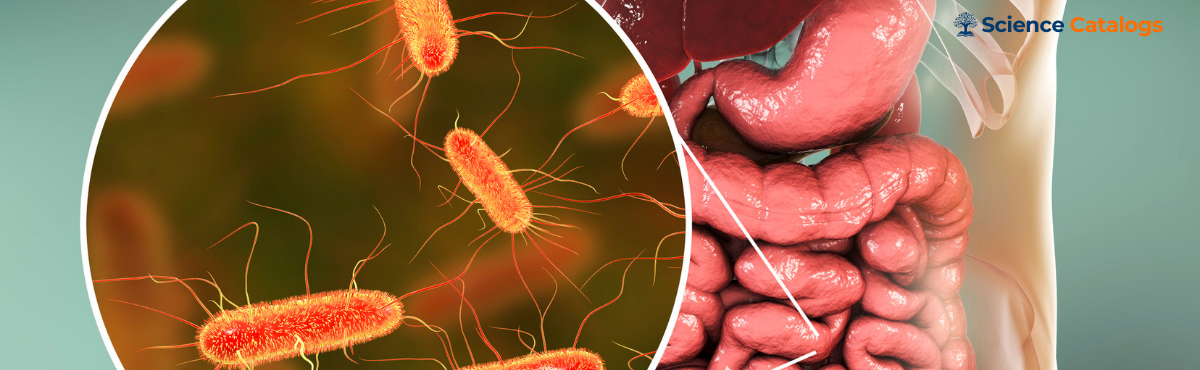
The human microbiome, comprising trillions of microbes in our gut, skin, and other sites, profoundly influences health and disease, driving innovations in immune modulation, mental health, and chronic condition management. Researchers now link microbial imbalances, or dysbiosis, to conditions like IBS, depression, and diabetes, paving the way for targeted therapies that restore balance rather than merely treating symptoms.
The Gut-Brain Axis and Mental Health
The gut-brain axis represents bidirectional communication between the gastrointestinal tract and central nervous system, mediated by microbial metabolites like short-chain fatty acids (SCFAs), vagus nerve signals, and immune pathways. Gut microbes produce neurotransmitters such as serotonin—95% of which originates in the intestines—affecting mood and cognition. Dysbiosis correlates with anxiety and depression; studies show fecal microbiota transplants (FMT) from healthy donors alleviate symptoms in 70% of treatment-resistant cases by reshaping neural signaling.
Breakthroughs in Probiotics and Dietary Interventions
Next-generation probiotics feature engineered strains like Akkermansia muciniphila, which strengthen gut barriers and reduce inflammation, showing 40% symptom improvement in IBS trials. Dietary interventions, such as prebiotic-rich fibers from onions and oats, foster beneficial bacteria growth, lowering cardiometabolic risks. A 2025 meta-analysis revealed personalized microbiome diets—tailored via at-home sequencing—outperform generic ones, cutting obesity rates by 25% in participants.
Clinical Trials and Future Applications
Over 200 trials are underway, including Phase III studies for microbiome drugs targeting Crohn's disease via live biotherapeutic products (LBPs) like SER-109, which resolved recurrent C. difficile infections in 88% of patients. Cancer applications explore microbiome modulation to enhance immunotherapy efficacy, with tumors shrinking 50% faster in responsive cohorts. Future therapies promise synthetic microbial consortia for Alzheimer's, engineered to produce anti-amyloid compounds, and vaginal microbiome restores for recurrent UTIs.
Challenges include standardizing microbiome assays and navigating regulatory hurdles for live agents, but scalable stool sequencing and AI-driven strain selection accelerate progress. By 2030, microbiome therapeutics could generate $1 trillion in value, transforming preventive healthcare.