Lab Automation and High-Throughput Technologies
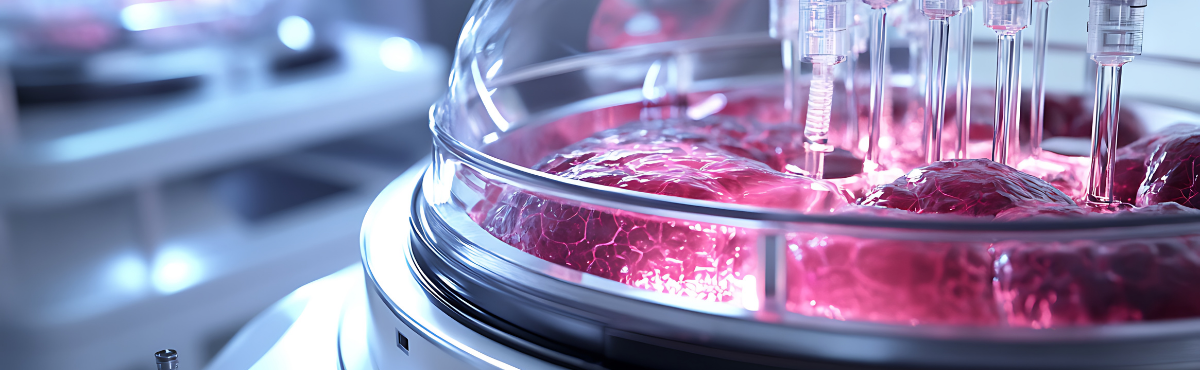
Automation reshapes life science research by boosting efficiency, reproducibility, and scalability through robotics, AI, and high-throughput screening, allowing scientists to handle vast datasets and samples at unprecedented speeds. These technologies minimize human error, accelerate discovery timelines, and unlock insights into complex biological systems previously inaccessible.
Latest Lab Automation Tools and Platforms
Benchtop robotic systems like the Beckman Coulter Biomek series integrate pipetting, liquid handling, and imaging into compact units, processing 10,000 samples daily with sub-microliter precision. Cloud-connected platforms such as Labcyte Echo enable acoustic droplet ejection for contactless screening, reducing reagent use by 90%. High-throughput sequencers from Illumina's NovaSeq X series deliver 16 terabases per run, democratizing genomics for smaller labs.
Transforming Drug Screening and Genetic Research
In drug screening, automated high-throughput platforms test millions of compounds against targets in hours, slashing hit identification from weeks to days and boosting success rates by 25%. Genetic research benefits from CRISPR automation libraries, where robotic arrays edit thousands of genes simultaneously, revealing function via phenotypic readouts. These shifts enable phenotypic screening for complex diseases like neurodegeneration, yielding novel-leads overlooked by traditional target-based methods.
AI-Robotics Integration for Next-Gen Workflows
AI fuses with robotics via machine learning algorithms that predict optimal protocols, adapt in real-time to anomalies, and analyze outputs autonomously. Systems like DeepCell use computer vision to classify cells mid-sort, enhancing purity in single-cell workflows. Closed-loop platforms employ reinforcement learning to iterate experiments iteratively, as seen in Google's DeepMind robotics for protein crystallization, cutting optimization cycles by 70%. This integration fosters "lights-out" labs operating 24/7 with minimal oversight.
Future labs will leverage edge AI for decentralized processing, supporting remote collaboration and GMP compliance. Challenges like interoperability persist, but standardized APIs promise seamless ecosystems.