
How AI is transforming the healthcare sector across the world
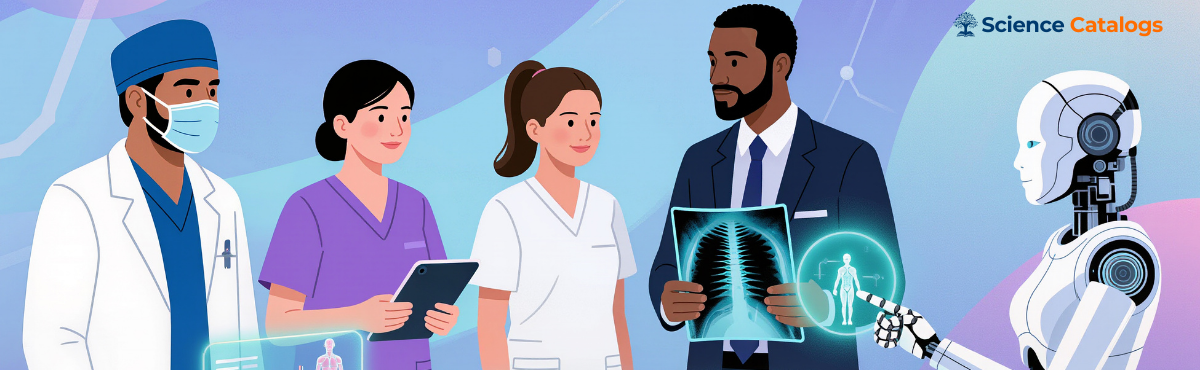
Artificial intelligence is reshaping healthcare across the world by improving diagnostics, personalizing treatment, optimizing hospital operations, and expanding access to care, especially in underserved regions. The global AI in healthcare market is expanding rapidly, with estimates suggesting growth from around 17–29 billion USD mid‑2020s to over 500 billion USD by the early 2030s, reflecting how deeply AI is being embedded in health systems worldwide.
Smarter diagnostics and early detection
AI algorithms now analyze medical images such as X‑rays, CT scans, MRIs, and retinal photographs to detect cancers, cardiovascular disease, and eye disorders with accuracy comparable to or exceeding human specialists in many settings. These tools can flag subtle patterns that clinicians might miss, enabling earlier diagnosis, fewer false positives, and more targeted follow‑up tests, which improves outcomes and reduces costs.
Beyond imaging, machine learning models are being trained on electronic health records, ECGs, and wearable sensor data to predict conditions like sepsis, heart failure, and arrhythmias hours or days before they become clinically obvious. Early warning systems in hospitals use these models to alert care teams, helping prevent deterioration in high‑risk patients and shortening intensive care stays.
Personalized and precision medicine
AI supports precision oncology by processing genomic data and tumor profiles to match patients with targeted therapies or immunotherapies most likely to work for their specific cancer. This data‑driven stratification reduces trial‑and‑error prescribing, limits unnecessary toxicity, and often improves survival and quality of life.
In chronic disease management, AI‑driven platforms integrate lab results, lifestyle data, medication histories, and remote monitoring to generate individualized care plans and adherence nudges. Such systems are being applied to diabetes, hypertension, and mental health, enabling more continuous, adaptive care rather than episodic clinic visits.
Hospital operations and workflow efficiency
Hospitals deploy AI to automate administrative tasks like coding, billing, triage, and scheduling, reducing paperwork and physician burnout. Natural language processing (NLP) systems help transcribe and structure clinical notes, while decision‑support tools surface relevant guidelines and patient data at the point of care.
In operations, AI optimizes bed management, operating room scheduling, and supply chain logistics by predicting demand patterns and resource needs. This optimization shortens waiting times, lowers operating costs, and allows staff to focus more on direct patient care, improving both patient and provider experience.
Virtual care and global access
AI‑powered chatbots and symptom‑checkers provide first‑line triage, basic health advice, and follow‑up reminders via mobile apps and messaging platforms. In low‑ and middle‑income countries, such tools are extending primary care access in areas with severe shortages of doctors, offering risk assessment and referral guidance in local languages.
Telemedicine platforms increasingly embed AI to support video consultations with automated note‑taking, translation, and decision support. Combined with low‑cost diagnostic devices and remote monitoring, AI‑enabled telehealth is helping manage infectious diseases, maternal health, and noncommunicable diseases in remote regions.
Drug discovery, research, and public health
Pharmaceutical companies and biotech startups use AI to screen massive chemical libraries, model protein–ligand interactions, and identify promising drug candidates far faster than traditional methods. Generative AI is also being used to design novel molecules and optimize clinical trial design, potentially cutting years and billions of dollars from development timelines.
At the population level, AI supports disease surveillance and outbreak response by analyzing data from clinics, laboratories, social media, and mobility patterns to detect anomalies and forecast spread. Health authorities apply these insights to target vaccination campaigns, allocate resources, and refine public‑health interventions in real time.
Risks, ethics, and the road ahead
Despite clear benefits, AI in healthcare raises concerns about data privacy, algorithmic bias, transparency, and accountability when systems fail. Regulators and global bodies emphasize the need for robust governance, high‑quality training data, human oversight, and clear liability frameworks to ensure AI supports rather than replaces clinicians.
Looking ahead, integration of AI with genomics, robotics, and connected devices is expected to push healthcare toward more predictive, preventive, and participatory models of care. The countries and health systems that invest in responsible AI adoption, workforce training, and equitable data infrastructures are likely to see the greatest gains in outcomes and efficiency.