AI-Driven Drug Discovery: Revolutionizing Life Sciences in 2025
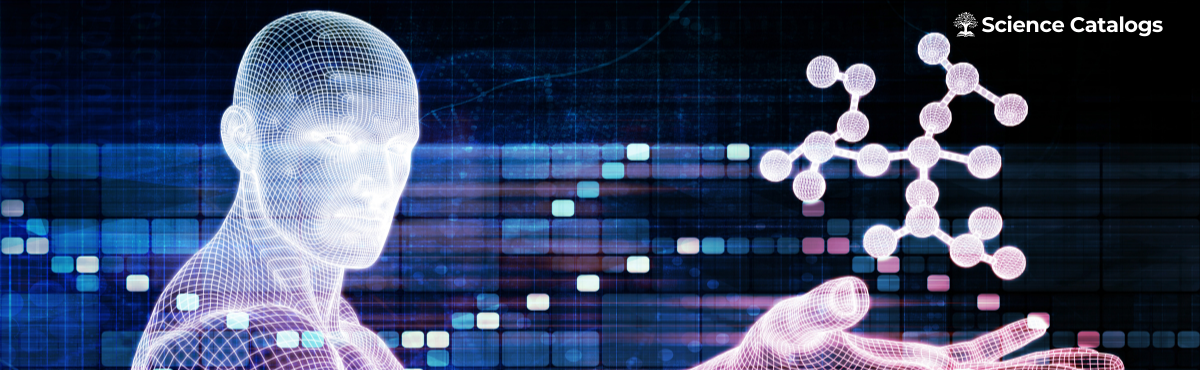
Artificial intelligence is transforming drug discovery, slashing development timelines from years to months while cutting costs dramatically. In 2025, AI platforms analyze petabytes of biological data to predict protein structures, simulate molecular interactions, and identify novel drug candidates with unprecedented accuracy. This shift addresses longstanding bottlenecks in traditional pharma pipelines, where failure rates hover around 90% before clinical trials.
At the core of this revolution are generative AI models like those inspired by AlphaFold, now evolved to design custom molecules tailored to specific disease targets. For instance, AI algorithms screen millions of compounds virtually, prioritizing those with optimal binding affinity and low toxicity. Biotech firms report 30-50% faster lead optimization, enabling rapid iteration from hypothesis to preclinical testing. Case in point: Recent collaborations between tech giants and pharma leaders have yielded AI-discovered inhibitors for rare cancers, entering Phase II trials ahead of schedule.
Beyond prediction, AI enhances clinical trial design by leveraging real-world evidence from electronic health records and wearables. Machine learning identifies patient subgroups likely to respond, reducing trial failures and accelerating approvals. Regulatory bodies like the FDA now endorse AI tools for their transparency and reproducibility, provided models undergo rigorous validation.
Challenges and Ethical Horizons
Despite the promise, hurdles remain. Data biases in training sets can skew outcomes, particularly for underrepresented demographics, necessitating diverse datasets and explainable AI frameworks. Intellectual property issues also loom large - who owns AI-generated molecules? - prompting new patent guidelines worldwide.
Looking ahead, integration with quantum computing could simulate entire cellular pathways, unlocking cures for complex diseases like Alzheimer's. As life sciences embraces this digital paradigm, interdisciplinary teams of biologists, data scientists, and ethicists will drive equitable innovation.
Future Impact on Healthcare
AI-driven discovery promises personalized therapies at scale, democratizing access to cutting-edge treatments. By 2030, projections suggest half of new drugs will trace origins to AI, reshaping global health economies. For researchers and startups, open-source AI platforms lower entry barriers, fostering a vibrant ecosystem of innovation.